CO2 Targets

Setting Science-Based CO₂ Targets, a Key Step Toward Decarbonization
Why set CO₂ reduction targets?
Defining reduction targets is a cornerstone of an effective decarbonization strategy.
It highlights the urgency to act, quantifies the required effort, and provides a clear direction for your organization’s climate journey.
Traditional approaches rely on a linear trajectory connecting:
- a baseline (initial carbon footprint)
- a mid-term target (e.g. 2030)
- and a long-term target, typically net zero by 2050
However, linear models show limitations: they overlook actions taken before the baseline year, ignore non-linear investment patterns, and fail to account for company growth.
Our support: how do you set your CO2 objectives?
Climate Services helps your organization define robust, science-based CO₂ targets using proven international methodologies:
Why set goals?
As part of the transition to a net-zero economy, the constraints imposed by regulations are increasingly numerous, but still limited.
However, the market is exerting increasing pressure on supply chains and imposing stricter, more systematic targets in line with the "Paris Agreements". Consequently, it is essential for companies to have a clear idea of which reduction targets, science-based, need to be met, and how their operating environments will evolve over time, in order to anticipate expectations and plan the necessary investments.
Science-based targets
Targets are considered ‘science-based’ if they are consistent with an emissions reduction scenario defined by climate science.
These targets should ensure that each company contributes to reducing its share of emissions in line with the carbon budget in order to keep global warming below 1.5°C. Several approaches to setting targets have been proposed, with different advantages and disadvantages.
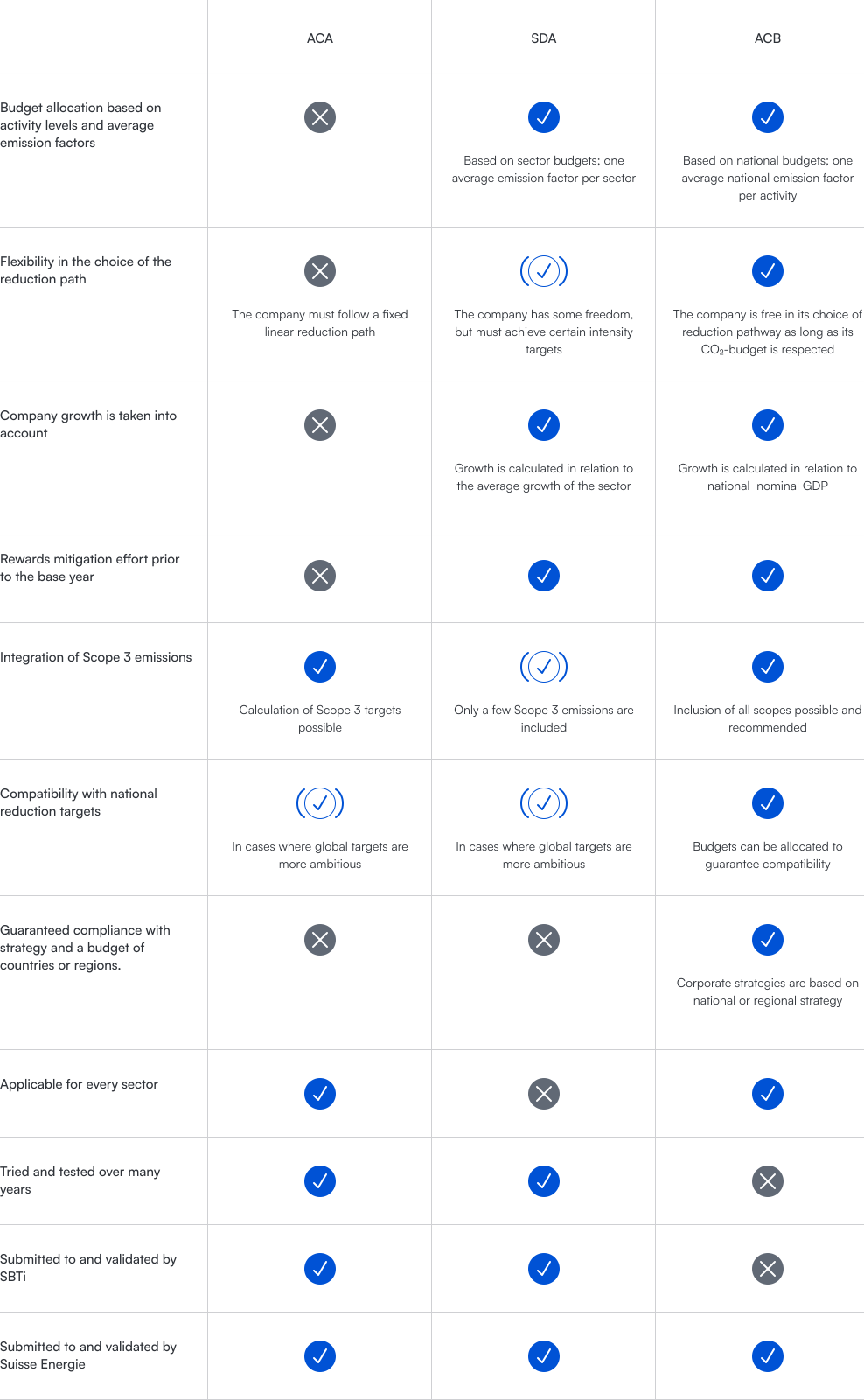
We can help you calculate your targets according to the model you choose: Activity-based Carbon Budgets (ACB), SBTi's Absolute Contraction Approach (ACA) or SBTi's Sectoral Decarbonization Approach (SDA).
Compare methods for setting decarbonization targets